

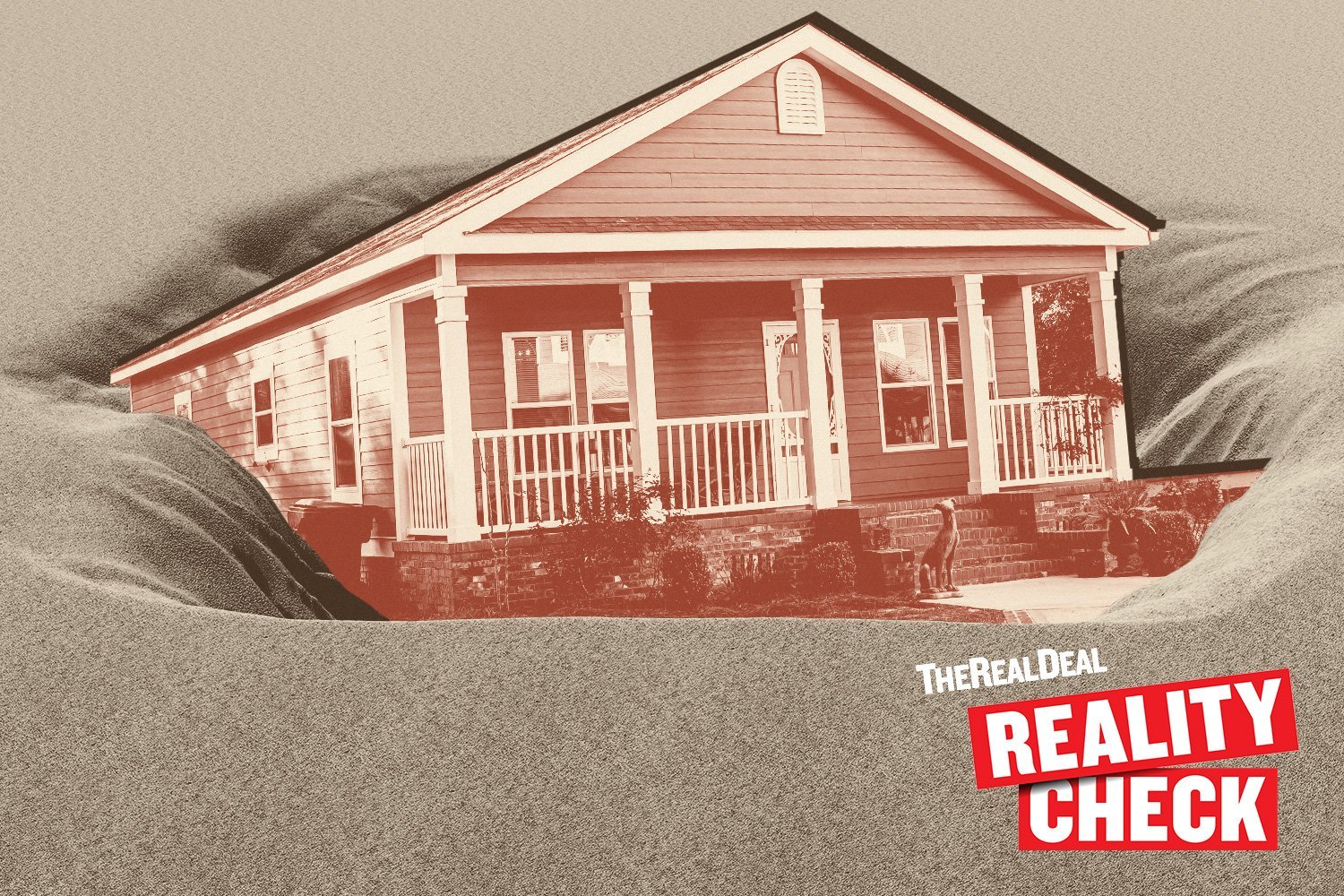
Some 40 % of houses in-built 1980 had been smaller than 1,400 sq. ft. At the moment, only 9 percent are.
Given the price of land and development, and huge minimal lot sizes in lots of suburbs, it usually doesn’t make sense to construct a starter house.
Though patrons are bidding up the few small houses which can be accessible, most often the costs are nonetheless not sufficient to cowl builders’ prices, not to mention yield an honest return. In order that they construct bigger houses and promote them for greater than most first-time patrons can afford.
Elected officers love the thought of shifting individuals into homeownership, however haven’t give you nice methods to do it. Applications that work at scale are usually on the financing aspect. Nevertheless, offering 3-percent-down mortgages nonetheless doesn’t make starter houses accessible and inexpensive, nor does it permit politicians to chop ribbons in entrance of tasks.
As an alternative, they advance piecemeal options that rely closely on subsidies. On Oct. 14, for instance, Gov. Kathy Hochul celebrated the completion of 58 inexpensive co-op models at Camber Property Group’s Stevenson Sq. campus. The worth tag: $53 million.
That’s $914,000 per residence.
The associated fee would have been even increased had the location not been low cost land within the Soundview part of the Bronx. (Camber purchased the 948-unit campus, a Nineteen Seventies Mitchell-Lama, in 2017 and created a grasp plan so as to add housing on underutilized components of it.)
But these $914,000 models might be bought to 58 fortunate patrons for a mean value of $204,000 — inexpensive to households incomes 80 % of the world median revenue.
A mannequin the place the houses promote for 22 % of the associated fee gained’t be scaled up, even when the socialists’ tax-the-rich goals all got here true.
And we are likely to neglect concerning the long-term costs of inexpensive housing growth. Buildings age, bills rise and subsidies expire. Even Mitchell-Lama, which created 69,000 co-op units over three many years, proved unsustainable.
What options would scale? The highest of this column hyperlinks to a paper with proposals by Julia Gordon of the Middle for Reasonably priced Housing Lending, a coverage analysis associate of the Nationwide Affiliation of Reasonably priced Housing Lenders.
Its 5 foremost concepts, and my tackle them:
- Incentivize development of starter houses. That works if the mandatory subsidy will not be too massive. It will probably’t be $710,000 per unit, as within the instance above from the Bronx.
- Restore present houses. The thought right here is that many starter houses are deteriorating, lowering provide. In sturdy markets, home flippers are already fixing up houses, however a restore program may assist in weak markets.
- Prod localities to scale back lot sizes and permit multifamily, townhomes and manufactured housing, and in any other case cease being exclusionary. This may transfer the needle however not as a lot as state and federal mandates, which frequently meet political resistance from single-family neighborhoods.
- Unlock provide by eradicating disincentives to promote. Sure! It doesn’t make sense to spare a house from capital positive aspects tax when the homeowners die. Our tax coverage basically traps people in homes which have appreciated so much.
- Present incentives to promote to owner-occupants. I don’t see how that might assist. Demand from would-be owner-occupants is already excessive. Subsidizing it with out including provide would solely push costs increased.
The not too long ago handed twenty first Century Street to Housing Act was an enormous step in the suitable route, no less than in contrast with the years of no progress that preceded it in Congress. Reasonably than take an enormous swing at one downside, it chips away at plenty of obstacles to lowering housing prices.
California’s pro-housing motion, led by state Sen. Scott Wiener, has pursued that model with success. So has Gov. Kathy Hochul in New York, following the defeat of her bold 2023 housing reform plan.
It’s a framework that states and cities would do nicely to undertake.
Learn extra
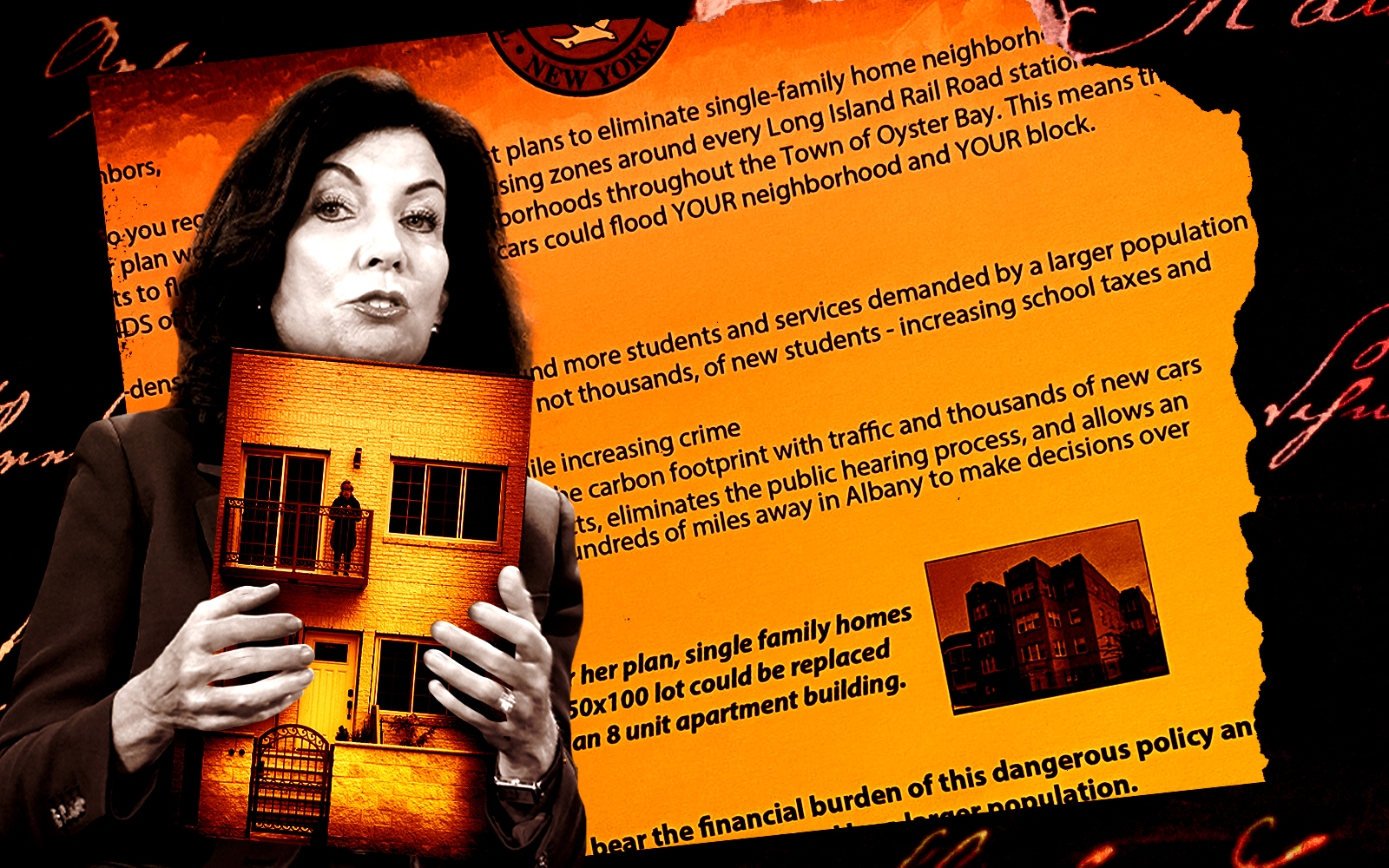
Hochul’s housing plan: Reality check for propagandists

For richer or poorer: The hidden cost of low-income housing

Hochul wants to exempt housing projects from environmental review, punish bad landlords
